
Temporary Strainers
Cone, Basket and Plate Strainers for commissioning and pipeline protection applications.
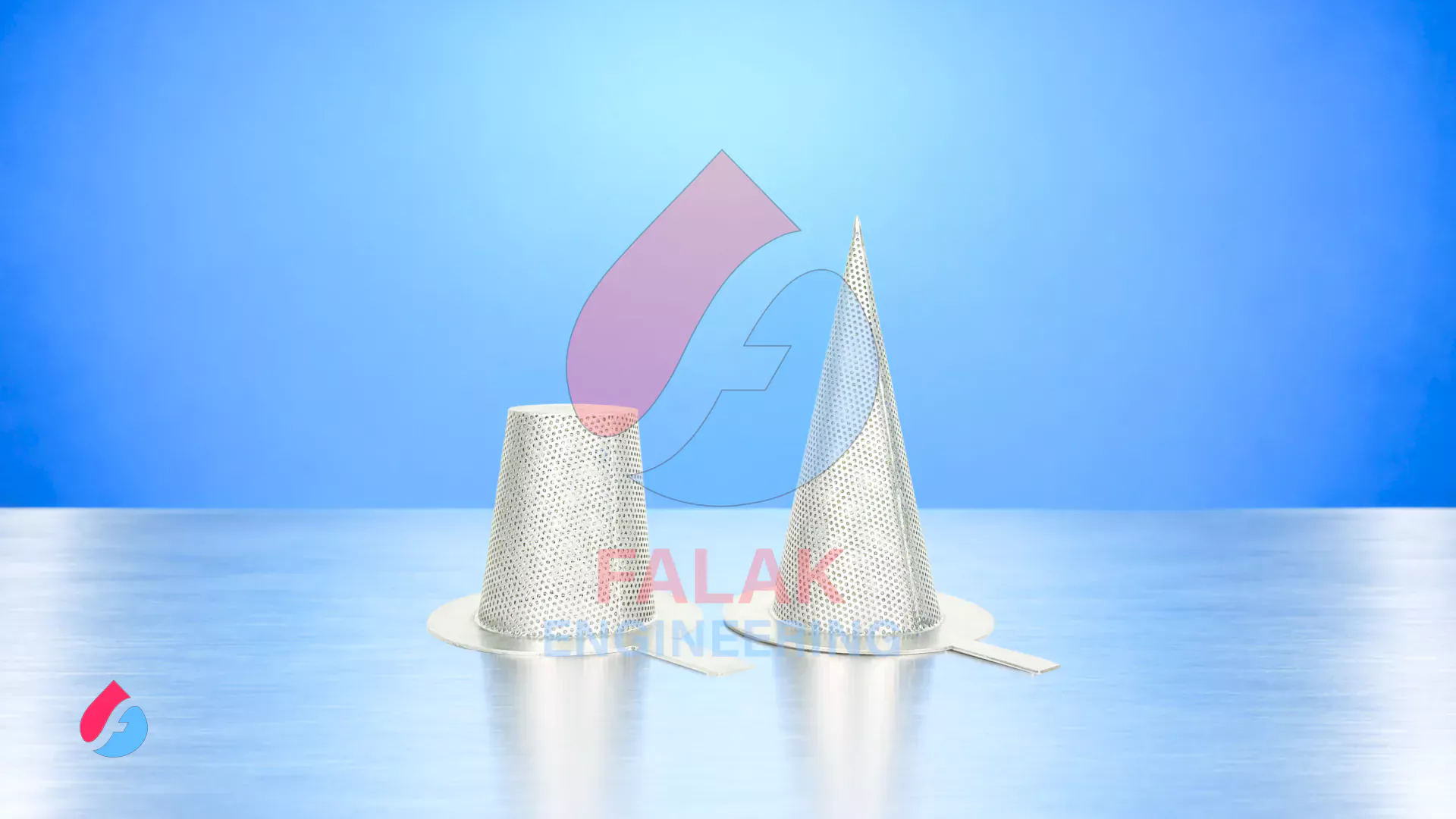
TEMPORARY STRAINER SUPPLIER IN MALAYSIA
Falak Engineering Sdn Bhd supplies temporary strainers for oil and gas, petrochemical, refinery, pipeline, power generation and industrial applications throughout Malaysia.
Our range includes temporary cone strainers, basket strainers, truncated-cone strainers and plate strainers. Products can be manufactured using perforated plate, wire mesh or combined perforated support and mesh lining.
Each temporary strainer can be configured according to the pipe size, flange standard, pressure class, filtration level, open-area ratio, flow direction and operating conditions.
Based in Kemaman, Terengganu, Falak Engineering supports contractors, fabricators, commissioning teams and plant operators with responsive sourcing, technical coordination and delivery arrangements.
TEMPORARY STRAINERS FOR COMMISSIONING
Temporary strainers, also known as start-up strainers, are installed in piping systems during flushing, commissioning and initial operation. They capture construction debris before it reaches sensitive downstream equipment.
Common debris includes weld slag, rust, mill scale, pipe cuttings, gasket fragments, sand and loose coating particles.
Equipment protected by temporary strainers may include:
- Pumps and compressors
- Control valves
- Flow meters
- Heat exchangers
- Spray nozzles
- Process equipment
- Permanent filtration systems
Temporary strainers are generally removed after the piping system reaches the required cleanliness level. Continued operation requires an engineering review of pressure drop, differential-pressure strength and maintenance requirements.
TYPES OF TEMPORARY STRAINERS
Temporary Cone Strainers
A temporary cone strainer has a conical filtering element installed between two mating flanges. It is also commonly called a conical or witch hat strainer.
The cone profile provides a larger screening surface than a flat plate within the same pipe diameter. Available configurations include full cone, truncated cone, perforated plate, mesh-lined and reinforced designs.
The cone orientation must follow the approved drawing and flow direction.
Temporary Basket Strainers
Temporary basket strainers use a cylindrical or truncated-basket filtering element. They may be selected where the piping arrangement, flow direction or installation space makes a basket more suitable than a cone.
Available designs include perforated baskets, mesh-lined baskets, reinforced baskets and baskets with removal handles.
Temporary Plate Strainers
A temporary plate strainer consists of a flat perforated or mesh-supported disc installed between flanges.
Plate strainers offer compact installation but normally have less filtering area and dirt-holding capacity than cone or basket designs. They are suitable for short-duration flushing, coarse debris removal and installations with limited space.
PERFORATION AND WIRE MESH
Temporary strainers may use perforated plate only or perforated plate combined with wire mesh. The perforated plate provides structural support, while the mesh controls the finer particle-retention level.
Perforation requirements should specify:
- Hole diameter and pitch
- Straight or staggered pattern
- Plate thickness
- Perforated open-area percentage
Mesh requirements should include the mesh count, wire diameter, nominal opening, micron rating, weave and material.
Mesh count alone does not define the filtration opening because the actual opening also depends on wire diameter and weave construction.
TEMPORARY STRAINER OPEN-AREA RATIO
The open-area ratio compares the effective open screening area of the strainer with the internal cross-sectional area of the pipe.
Common project requirements may specify 100%, 150%, 200% or another calculated ratio. A higher open-area ratio can reduce initial pressure drop, increase debris-holding capacity and extend the operating period before cleaning.
The required ratio depends on the flow rate, fluid properties, particle loading, perforation size, mesh opening, pipe diameter and allowable pressure drop.
Perforated sheet open area and overall strainer open-area ratio are different measurements. A perforated sheet may have 40% open area, while the completed cone provides a 150% overall ratio because its screening surface is larger than the pipe bore.
FLOW DIRECTION AND DIFFERENTIAL PRESSURE
Flow direction is critical to temporary strainer design. The perforated support, mesh, stiffeners and reinforcing rings must withstand differential pressure in the intended direction.
As debris accumulates, the pressure drop across the strainer increases. Excessive differential pressure can deform or collapse the element. Operating procedures should define the maximum allowable differential pressure, monitoring method, inspection frequency and removal criteria.
MATERIAL OPTIONS
Available materials include:
- Stainless steel: ASTM A240 Types 304, 304L, 316 and 316L
- Duplex steel: UNS S31803 and S32205
- Super duplex steel: UNS S32750 and S32760
- Carbon steel: ASTM A36 and ASTM A516
- Inconel, Monel and other special alloys
Stainless steel is widely used due to its corrosion resistance and suitability for perforated plate and woven mesh construction.
QUALITY DOCUMENTATION
Temporary strainers may be supplied with:
- Approved fabrication drawings
- Material Test Certificates
- EN 10204 Type 3.1 certification
- Wire mesh and perforated plate certificates
- Welding procedure and welder qualifications
- Dimensional and visual inspection reports
- Positive Material Identification
- Open-area calculations
- Pickling and passivation reports
- Certificate of conformity
Documentation requirements should be confirmed during the enquiry stage.
WHY CHOOSE FALAK ENGINEERING?
Falak Engineering reviews the flow direction, filtration level, open-area ratio, operating conditions and flange details before sourcing.
We support custom cone, basket and plate strainer requirements according to approved drawings. From Kemaman, we coordinate deliveries to plants, fabrication yards, terminals and project sites throughout Terengganu and Malaysia.
REQUEST A TEMPORARY STRAINER QUOTATION
For an accurate quotation, provide the strainer type, pipe size, pressure class, flange facing, flow direction, perforation, mesh, open-area ratio, material, design conditions and delivery location.
Looking for a reliable temporary strainer supplier in Malaysia? Send your datasheet, drawing or bill of quantities to Falak Engineering Sdn Bhd.
Other Products
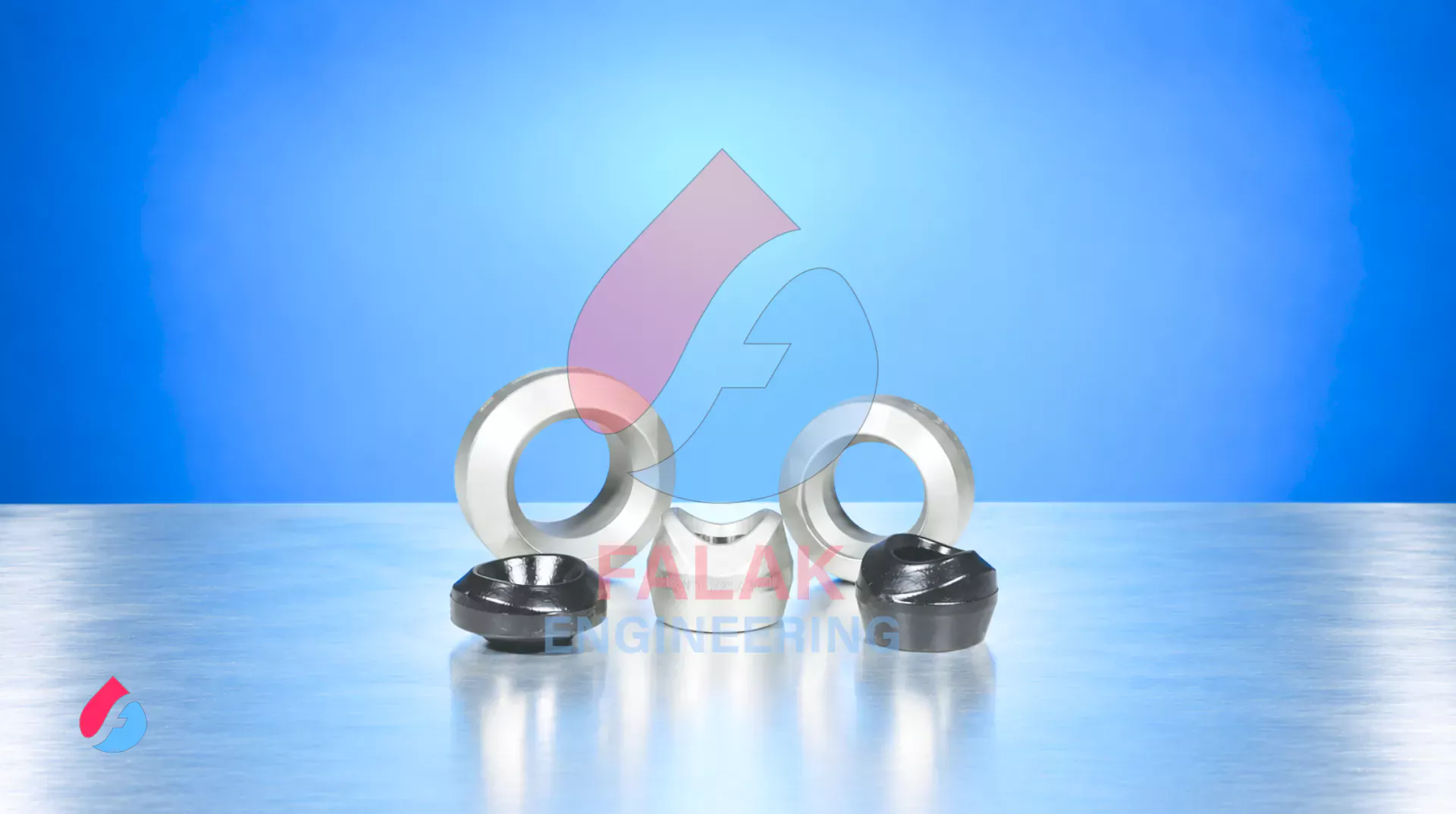
Branch Outlet Fittings
Buttweld fittings, forged fittings and branch connections.
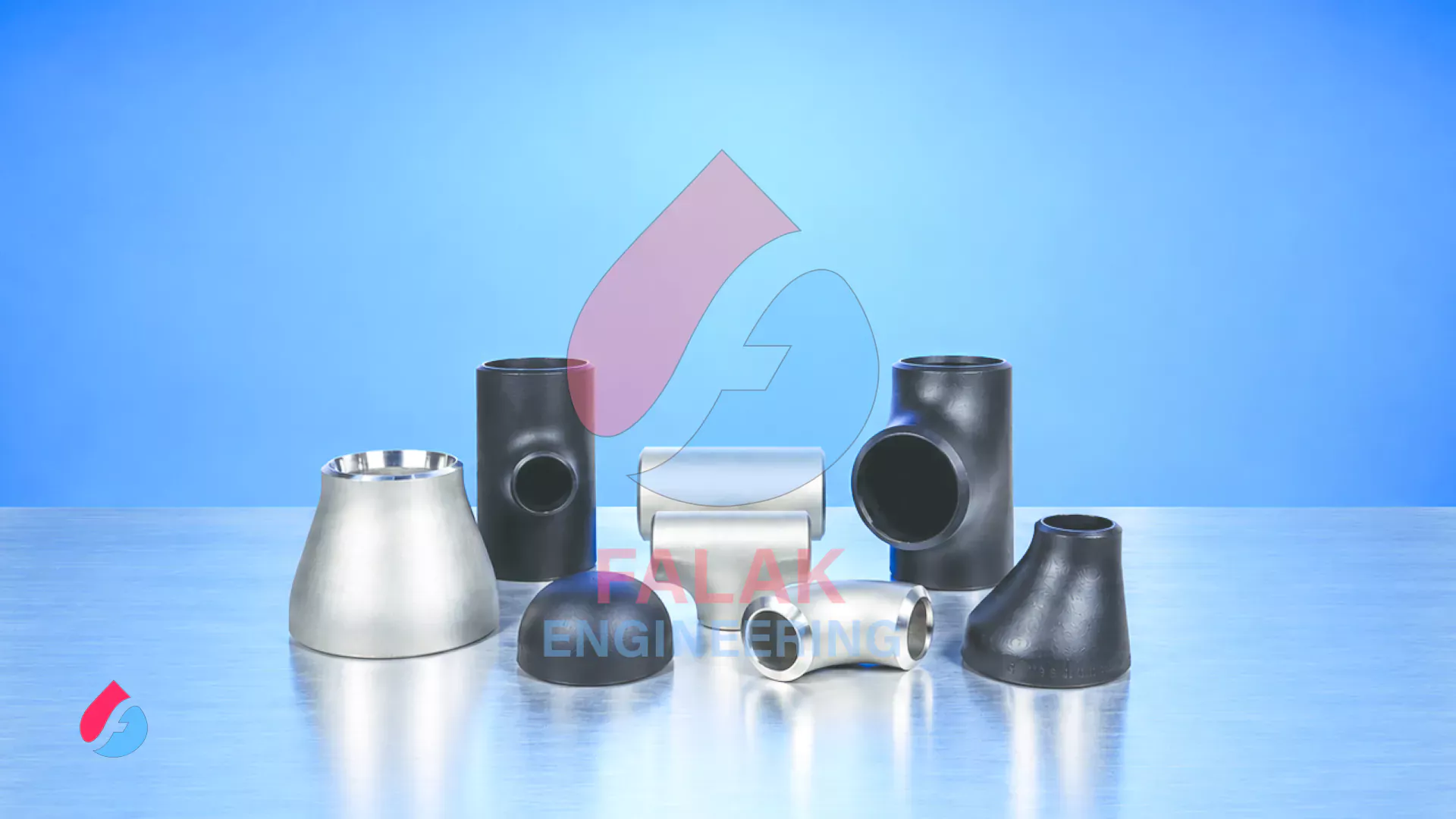
Buttweld Fittings
Buttweld fittings, forged fittings and branch connections.
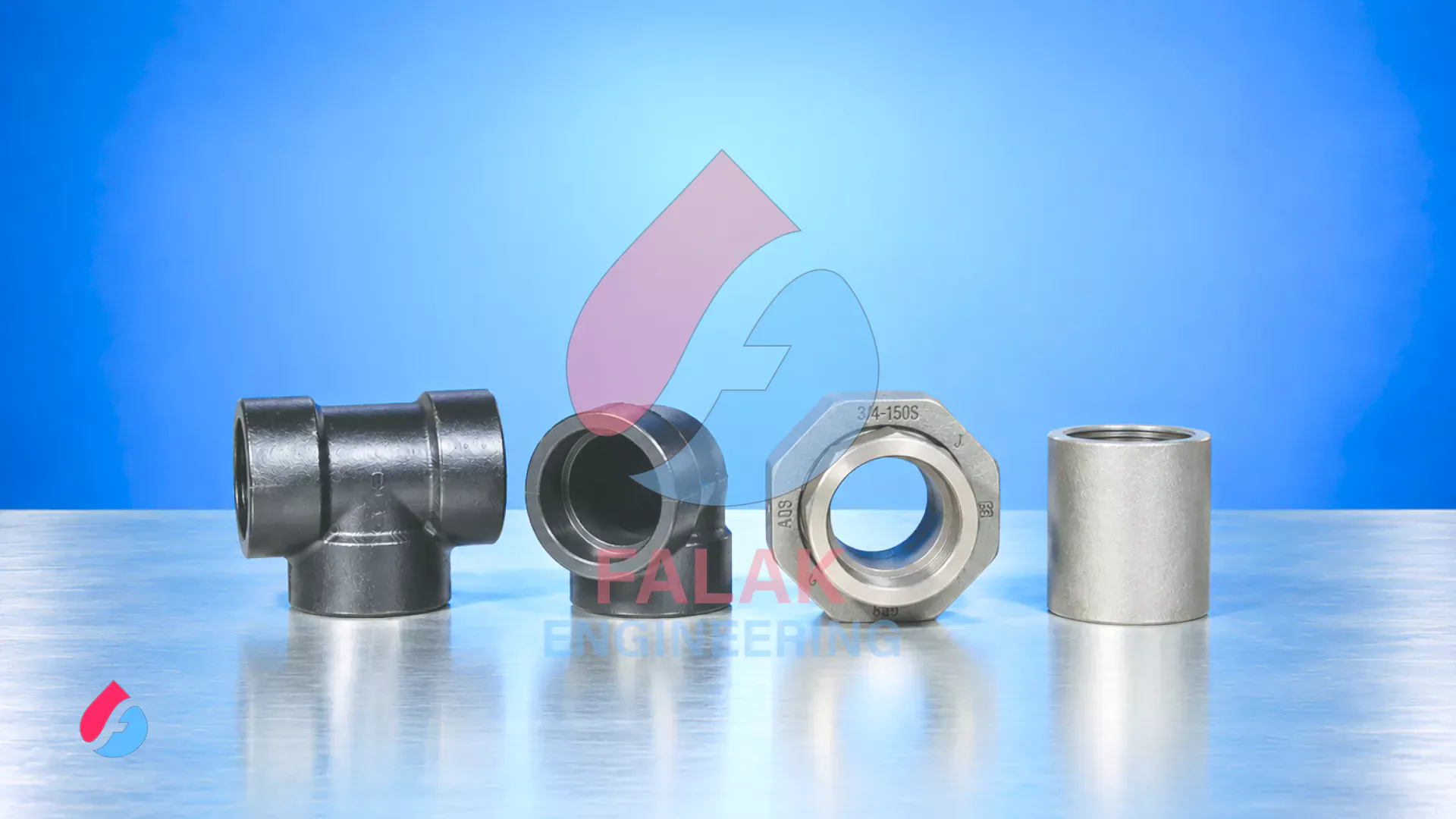
Forged Pipe Fittings
Buttweld fittings, forged fittings and branch connections.
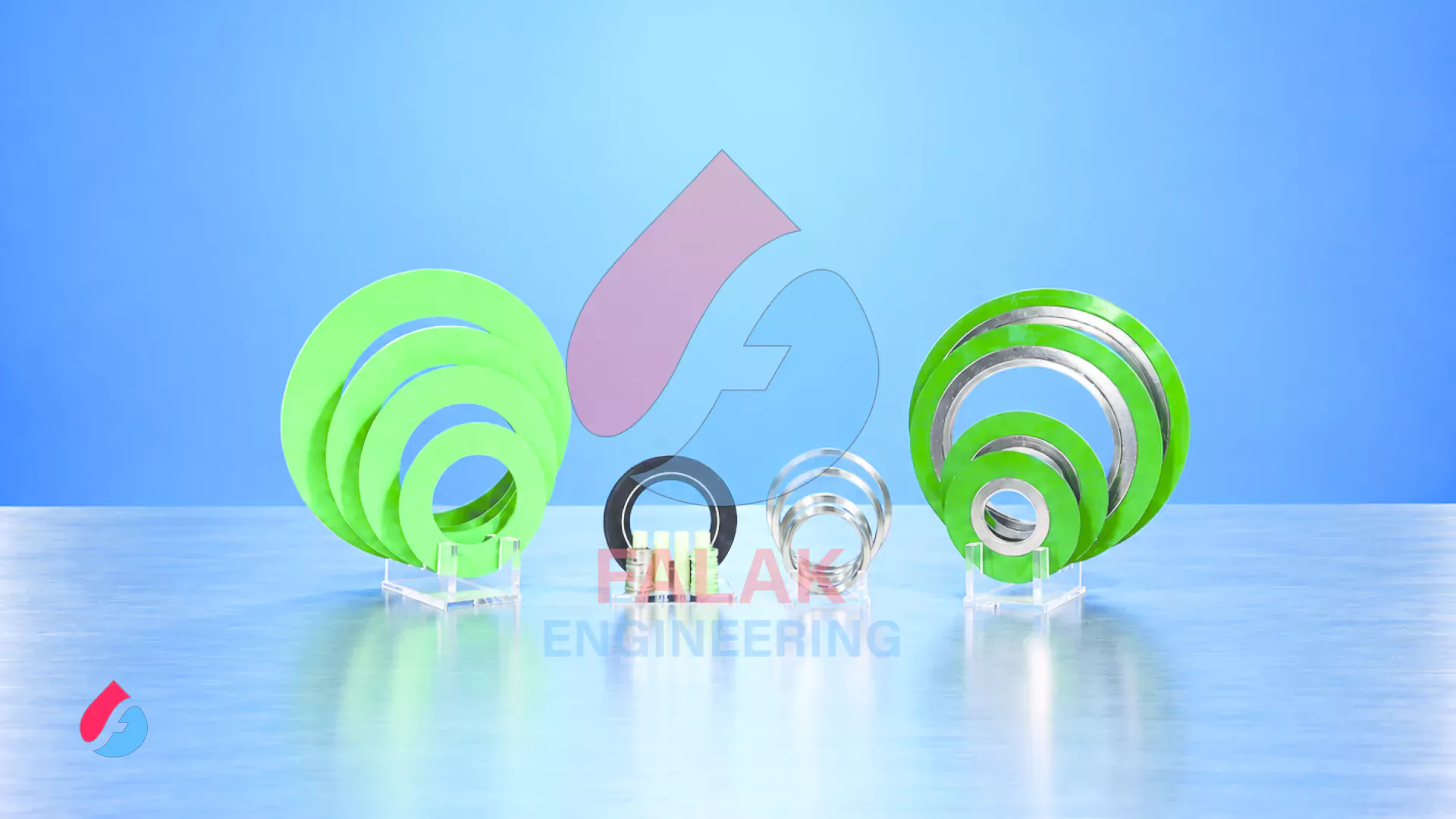
Gaskets
Spiral Wound, Ring Type Joint, CNAF, PTFE and other industrial sealing solutions.
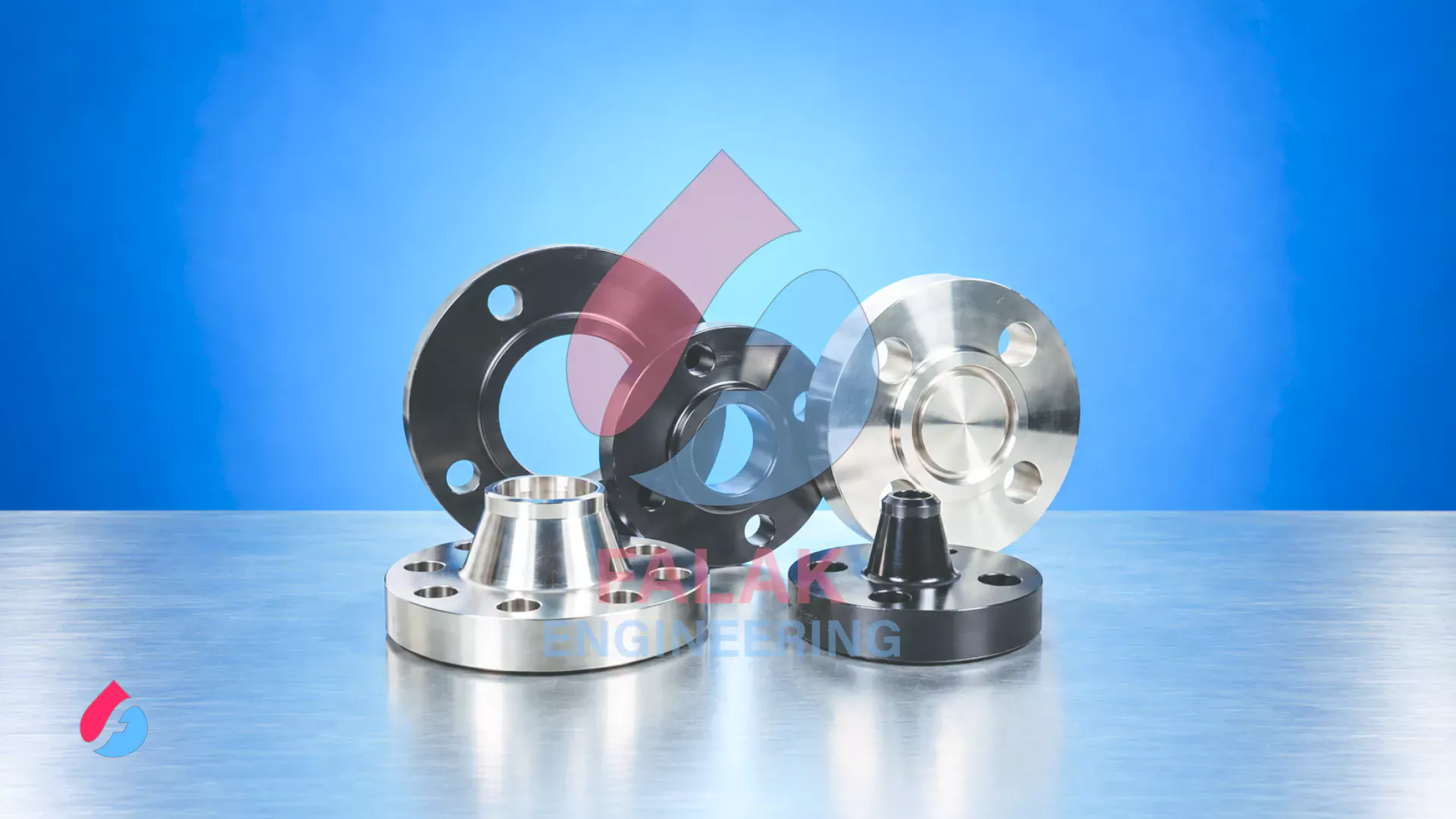
Flanges
Weld Neck, Slip-On, Blind, Socket Weld, Threaded and other industrial flange requirements.
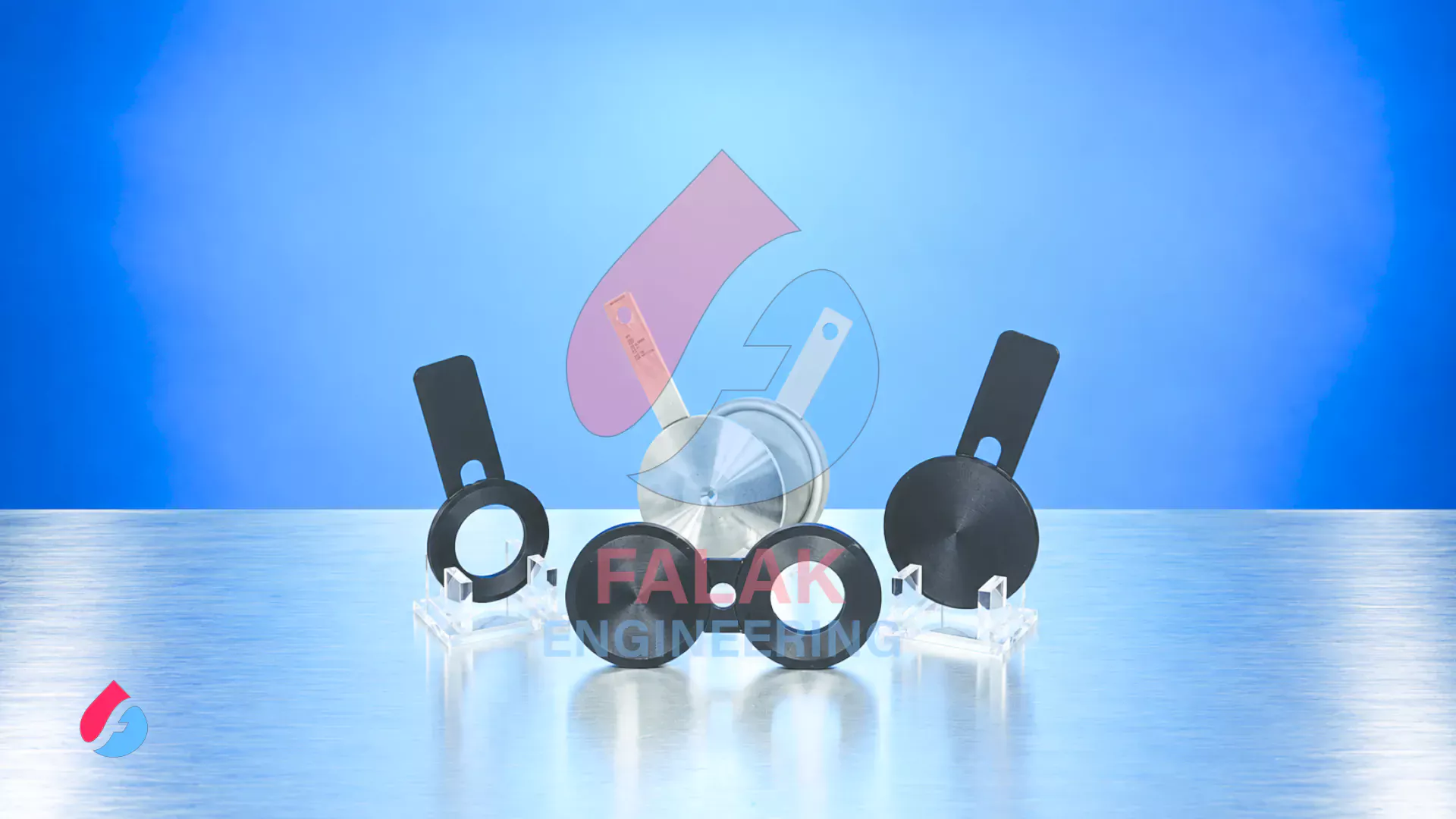
Line Blanks
Spectacle Blinds, Spades and Spacers for piping isolation requirements.
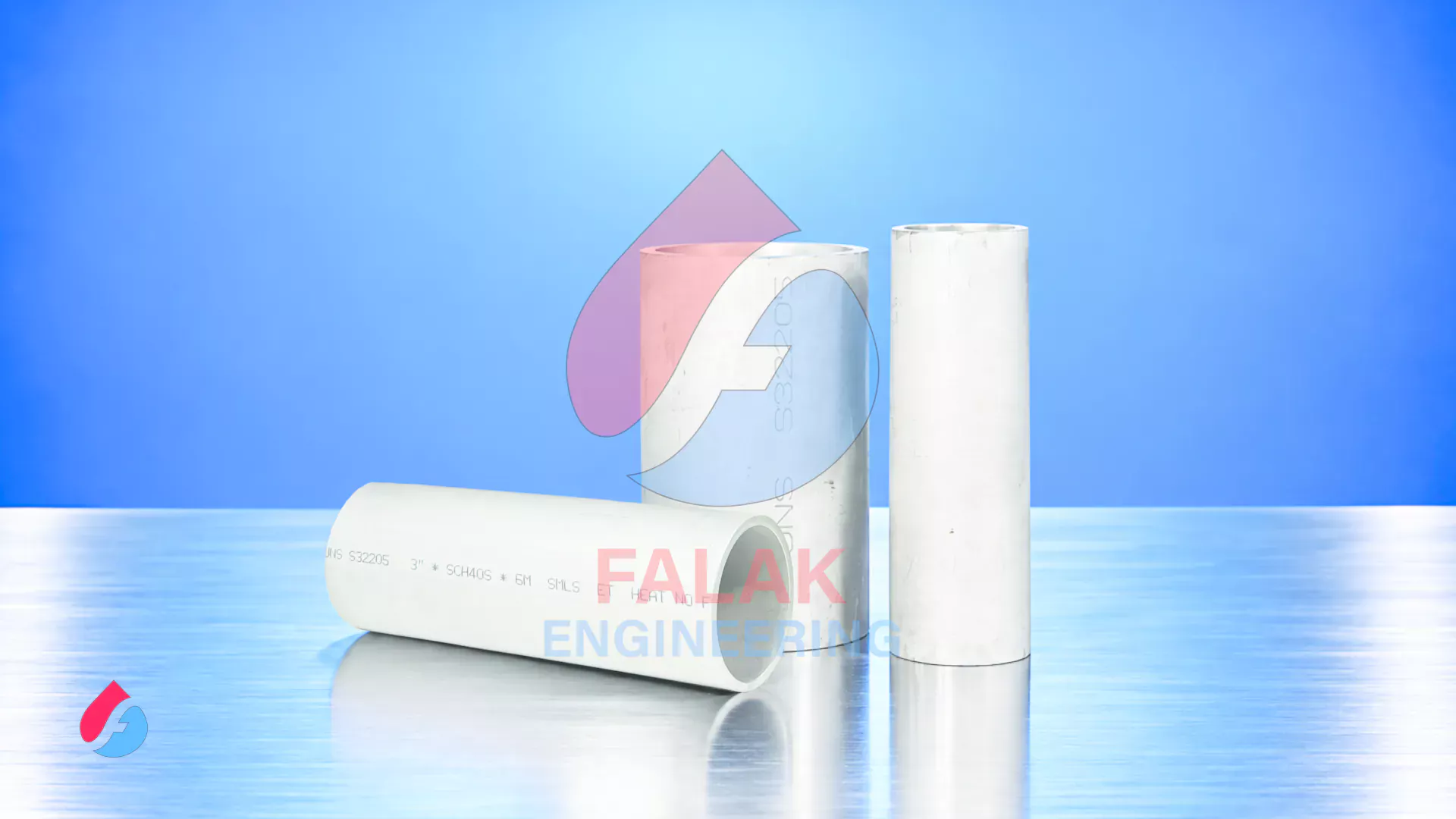
Pipes
Carbon Steel, Stainless Steel, Alloy Steel and project-specific piping materials.
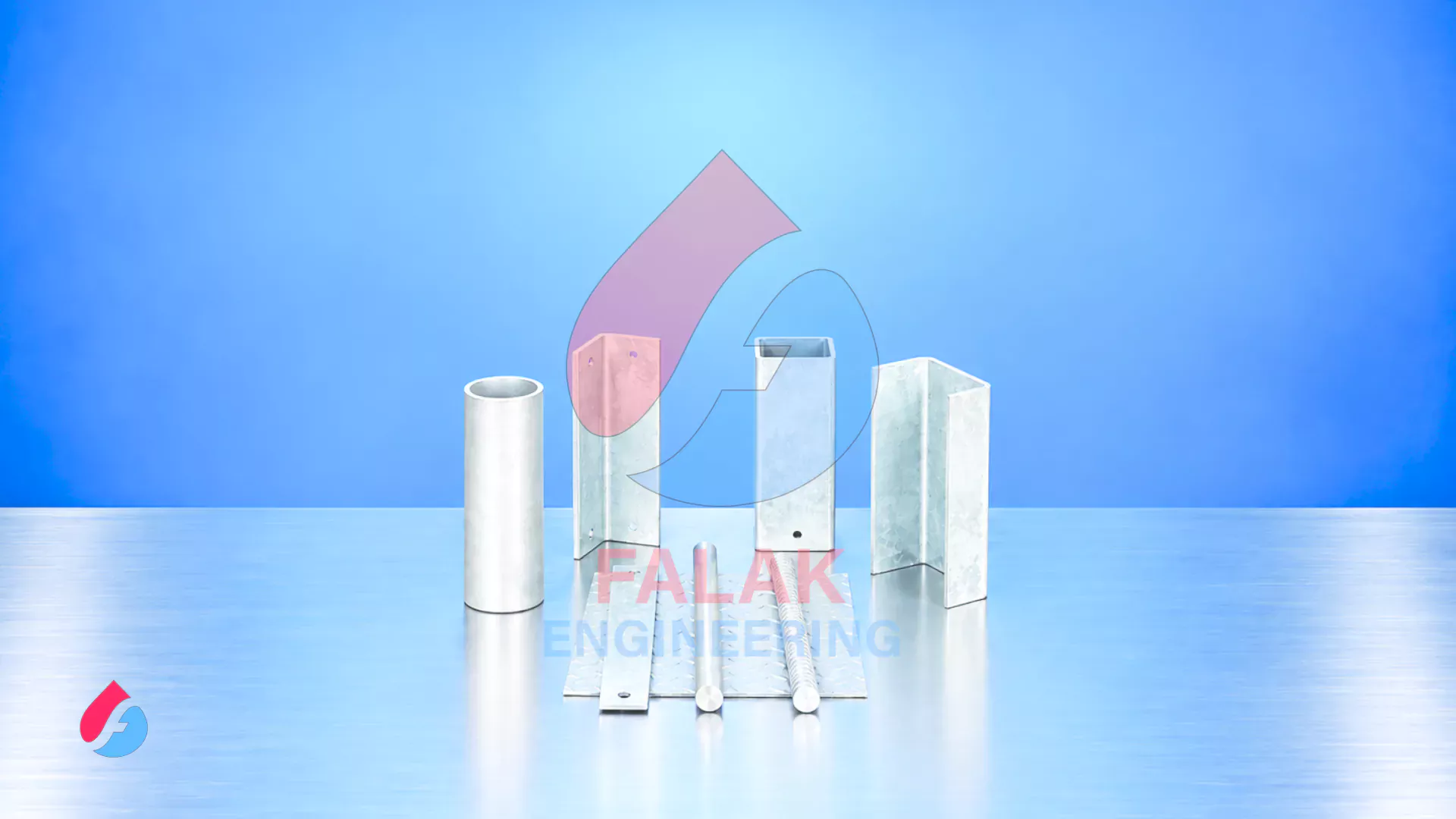
Structural Steel
Plates, beams, channels, angles and other structural steel requirements.
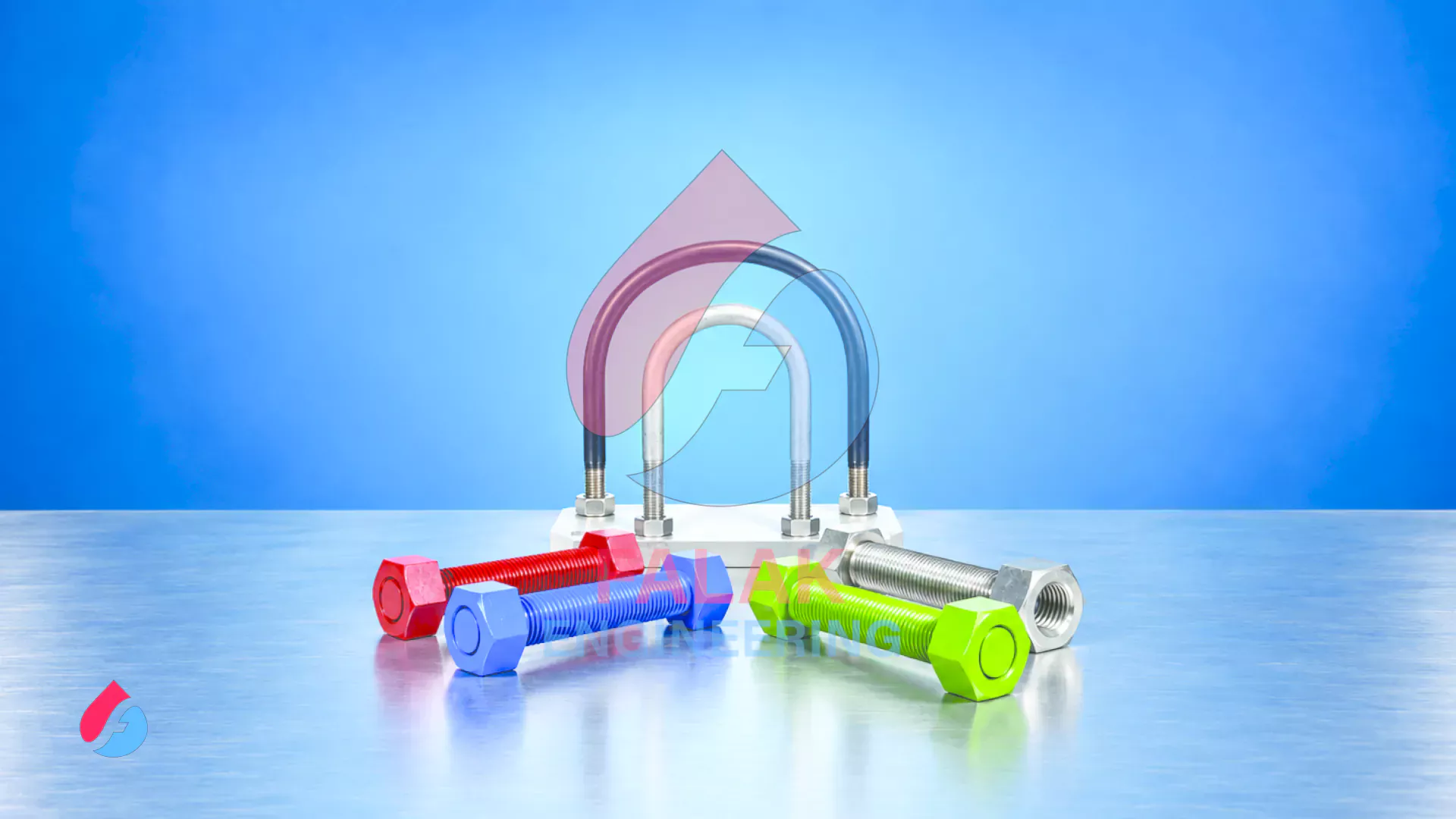
Stud Bolts & Fasteners
Stud bolts, nuts and industrial fastening components for piping and mechanical applications.
WORK WITH FALAK ENGINEERING
Have an RFQ or Material Requirement?
Whether you require piping materials for an upcoming project, replacement materials for plant operations or support for an urgent industrial requirement, talk to our team.
Send us your RFQ, material list, bill of materials (BOM), technical specification or project requirement, and our team will review your enquiry and identify a suitable sourcing solution.
Reliable Sourcing. Responsive Support. Efficient Delivery.
SEND YOUR RFQ CONTACT OUR TEAM